The dmh-w4660nex is one of those head units that changes a car in the one place you actually spend time: the dash. On paper it is a Pioneer double-DIN receiver with wireless phone projection, a capacitive touchscreen, and enough tweakable audio settings to make a nerd happy. In practice, it feels less like a gadget and more like a useful replacement for a factory screen that aged out before the rest of the car did. If you spend your commute in maps, podcasts, and voice prompts, that matters more than almost any spec on the box.
What I like most is that the interface is built for fast decisions. The icons are large enough to hit without playing surgeon, the home screen gets out of the way quickly, and the volume and track controls still exist as real buttons. That sounds basic until you try a slick all-glass screen in rush-hour traffic with a coffee in one hand and a kid asking for the snack cup in the other. The dmh-w4660nex doesn't make you hunt for the stuff you use every day, which is exactly what most factory systems get wrong.
The screen itself lands in the sweet spot between too small and too huge. At 6.8 inches, it gives you room for maps, album art, and camera views without turning the dash into a tablet glued to the console. The capacitive touch response feels modern; taps register cleanly, swipes do not feel gummy, and switching between audio and navigation is quick enough that you stop thinking about the software. That is usually the first sign a system is good: your brain drops it from the list of things to manage.
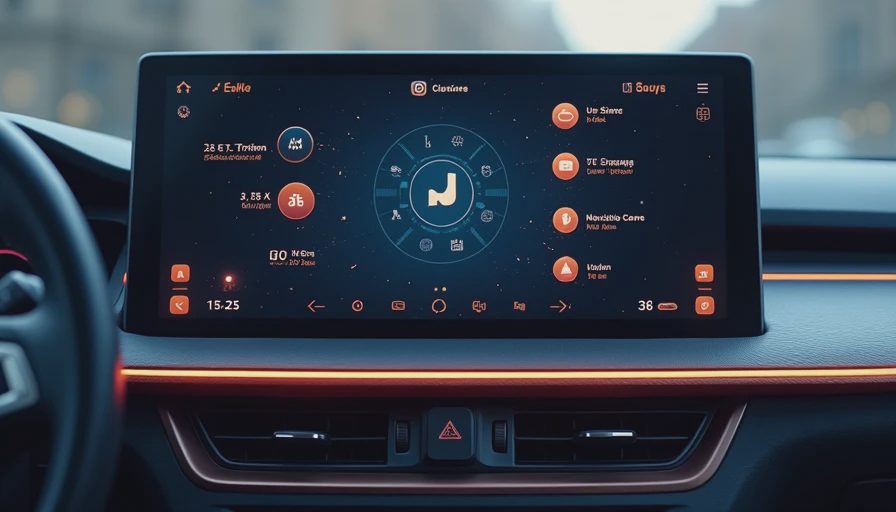
What daily use feels like
On a cold Michigan morning, the dmh-w4660nex is easier to live with than a lot of OEM systems because it wakes up fast and reconnects without a long hostage negotiation. Wireless phone pairing is the headline feature, but the real win is consistency: the same maps, the same podcast app, the same messages, every time. I also like that the camera input works like a camera input should. When you shift into reverse, you get a clean, bright image instead of a murky afterthought. For a parent dropping a child at school or backing into a tight grocery spot, that matters more than marketing copy.
There are still tradeoffs. Wireless convenience can introduce the occasional hiccup, especially if the phone is juggling bad cabin reception, a weak battery, or a second connection trying to wake up at the same time. The dmh-w4660nex is not unique there; it is just honest about the fact that wireless software has more moving parts than a cable. If your daily routine is mostly short trips, the receiver's fast resume behavior is a real benefit. If you live on long highway drives, the same setup gives you a cleaner cockpit because the cord is not draped across the shifter or stuffed under a console tray.
Installation is where the real bill shows up
The box price is only half the story. The dmh-w4660nex usually makes sense in a double-DIN opening, but good results depend on the install kit, the wiring harness, and whether the car needs steering wheel control retention, a backup camera adapter, or an interface for factory amplifier integration. Labor can run from about $150 at a basic audio shop to $500 or more once the dash kit, adapters, and labor stack up. That is not a knock on the unit; it is just reality in modern dashboards. The better the installer, the less you notice the swap later.
This is also where the Pioneer brand still has an edge. The audio tuning tools are deep enough for someone who cares about crossover points, time alignment, and EQ curves, but they stay out of the way if all you want is stable audio and clean navigation prompts. I like that balance because it serves two buyers at once: the person who wants a dependable screen replacement and the person who wants to clean up a messy factory signal chain. If you are comparing it with a cheap no-name Android-based unit from Amazon, this is where the dmh-w4660nex justifies its price. You are buying fewer surprises, better support, and software that usually behaves.
Who should buy it instead of chasing a bigger screen
The dmh-w4660nex makes the most sense if your current system is slow, your phone connection is flaky, or your factory screen left too much value on the table. It is a strong fit for drivers who use CarPlay or Android Auto every day, want physical controls, and would rather spend money on a clean install than gamble on a giant bargain screen with bad software. If your car already has a decent OEM interface and a native camera system you love, I would be more selective. But if your dashboard still feels like a compromise from the last decade, this is a clean fix.
The price question is simple. When the receiver itself sits in the mid-hundreds and the install adds a few hundred more, the total can land in the same neighborhood as a lot of midrange tires or a one-year cell phone bill. That is not cheap, but it is fair for something you touch every day. The dmh-w4660nex earns its money by making ordinary drives less annoying: fewer taps, fewer reconnects, better visibility, and less of that sluggish factory-software feeling that makes even a short errand feel longer than it should.
My bench-tested, kid-tested take
In family use, the small stuff matters most. The screen should wake before the car finishes its chime, the navigation prompt should come through clearly over road noise, and the volume button should be easy to find without looking down. The dmh-w4660nex gets those basics right. It is not the flashiest receiver on the shelf, and that is part of the appeal. It behaves like a tool, not a showroom demo. If you want a screen that respects your time, this is the kind of upgrade that makes sense. Bench-tested. Kid-tested.