The pioneer deh-s4220bt is the kind of head unit that makes sense after your original stereo starts feeling like an electronic time capsule. It does not try to turn an older dashboard into a tablet. Instead, it focuses on the things drivers still use every day: Bluetooth calls, music playback, physical controls, radio, and a CD drive. That restraint is its appeal.
I have spent enough time with modern infotainment systems to appreciate a device that knows its job. The pioneer deh-s4220bt is not a replacement for a factory CarPlay screen, and pretending otherwise would be bad advice. It is a practical single-DIN receiver for someone who wants cleaner audio and safer phone integration without rebuilding the entire center stack.
What the Pioneer DEH-S4220BT actually offers
The pioneer deh-s4220bt combines a traditional CD receiver with built-in Bluetooth. That matters for older cars, work vehicles, and anyone with a dashboard designed around a standard single-DIN opening. You get hands-free calling, wireless audio streaming, AM/FM radio, and a front-panel layout that does not require looking down at a bright touchscreen for every adjustment.
The control scheme is familiar: a rotary volume knob, buttons for source and menu functions, and a display that keeps information compact. This is not glamorous, but it is usable with winter gloves and easier to operate by touch than a flush glass panel. In a family car, that difference shows up when a child is asking for a snack and you still need to change the volume.
The CD mechanism is also more useful than many current buyers assume. Plenty of people still have audiobooks, burned discs, or a carefully assembled music collection that never made it into a streaming service. The pioneer deh-s4220bt gives those discs a place to live while still supporting a modern phone-based routine.
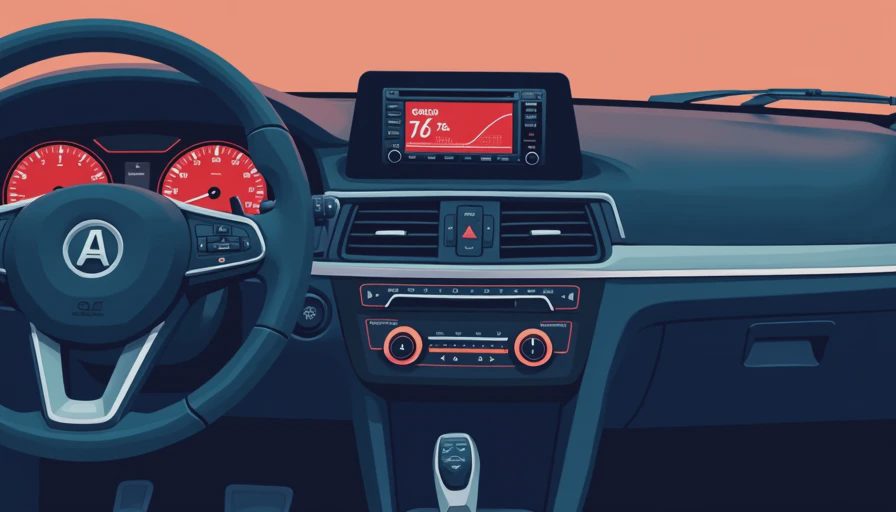
Bluetooth and daily phone use
Bluetooth is the main reason many shoppers consider the pioneer deh-s4220bt. Pairing is generally more straightforward than using an external adapter, because calls and music are handled by the same receiver. Once the phone is connected, the head unit can act as the audio endpoint while the driver keeps the handset out of reach.
That convenience has limits. Bluetooth is not Apple CarPlay or Android Auto. You do not get a map interface, on-screen text conversations, or an app launcher. Your phone remains responsible for navigation and voice assistance, while the receiver handles sound and basic call control. For some drivers, that is exactly enough. For others, the lack of a larger display will be a deal breaker.
Call quality depends heavily on microphone placement. During installation, route the microphone toward the driver rather than hiding it behind the steering column or deep inside the dash. A clean cable path and a position near the sun visor usually produce a more natural conversation than simply leaving the microphone behind the radio.
Sound adjustment without menu overload
The pioneer deh-s4220bt gives you more useful audio control than a factory stereo in many older vehicles. Equalizer presets provide a quick starting point, while manual adjustment lets you reduce harsh treble, add a little warmth, or compensate for speakers that have aged unevenly. The point is not to chase a laboratory-perfect curve. It is to make your actual cabin sound less tiring at highway volume.
Start with the equalizer flat. Set the balance and fader so the front seats receive a stable image, then make small changes. Large bass boosts often create distortion before they create better music, particularly with factory speakers. If the system offers a loudness setting, use it carefully at lower listening levels and turn it down when the road gets noisy.
This is where the receiver feels more honest than many screen-heavy systems. The display is modest, but the signal path gives you enough control to make a meaningful difference. It is a sensible upgrade for a driver who notices muddy vocals or thin radio playback but does not want to add amplifiers and subwoofers.
Installation details that decide the experience
Before buying the pioneer deh-s4220bt, confirm that your car uses a single-DIN opening and identify the correct dash kit. The radio itself is only one piece of the installation. You may also need a wiring harness, antenna adapter, mounting brackets, and a steering-wheel-control interface if your car has audio buttons on the wheel.
A vehicle-specific harness is worth the small additional cost. It lets you connect the receiver without cutting the factory wiring, and it makes a future return to the original unit much easier. Crimp connectors or solder-and-heat-shrink joints are preferable to loose twists hidden behind the dash. Label the constant power, accessory power, ground, speaker wires, and illumination lead before the receiver goes into the opening.
Some cars have factory amplifiers, premium speaker systems, or unusual warning chimes routed through the original radio. In those cases, the correct integration adapter matters more than another set of equalizer presets. A professional installation commonly adds roughly $100 to $250, while a basic do-it-yourself setup can stay closer to the cost of the kit and harness if the dash is uncomplicated.
Who should buy the Pioneer DEH-S4220BT
The pioneer deh-s4220bt is a strong match for an older sedan, compact truck, classic car, or commuter that has no factory screen worth preserving. It is especially appealing when the existing stereo has a failing CD mechanism, weak Bluetooth adapter, unreadable display, or unreliable buttons. The physical interface also suits drivers who value quick volume control over animated menus.
It is less convincing for anyone who expects a modern connected cockpit. If your daily routine depends on CarPlay, Android Auto, full-screen navigation, or a rear camera display, look at a compatible touchscreen receiver instead. That route can cost several hundred dollars more before installation, but it solves a different problem.
The right comparison is not between this receiver and a new luxury-car interface. Compare it with leaving a worn factory unit in place or buying a cheap Bluetooth transmitter. The Pioneer is more integrated than the transmitter and less expensive and disruptive than a full touchscreen conversion.
My verdict after living with the trade-offs
The pioneer deh-s4220bt succeeds because it does not confuse more screen with better usability. Its best features are practical: a real knob, a CD slot, built-in Bluetooth, straightforward radio operation, and audio tuning that can improve an aging cabin. Those choices reflect a clear engineering compromise. Pioneer spends less on display hardware and more on familiar control hardware and core audio functions.
Bench-tested. Kid-tested. If I were refreshing the 1990 Miata in my garage, I would first check the dash opening, harness, and microphone route, then consider this receiver for a clean daily setup. I would not buy it expecting smartphone mirroring. I would buy it when reliable calls, music, and physical controls matter more than a large navigation screen.
Before ordering, verify the fitment, confirm whether your phone uses the supported Bluetooth profile, and budget for the right installation parts. Those three checks prevent most disappointment. For the driver who wants an affordable, focused upgrade instead of another complicated screen, the pioneer deh-s4220bt remains a refreshingly direct answer.