The Pioneer SCT-C10PS is the kind of part people buy when they want a cleaner dash and fewer surprises at install time. If you have ever stared at an aftermarket box, a stack of harnesses, and a half-finished trim job in the driveway, you already know why that matters. The good news is that the Pioneer SCT-C10PS is easiest to evaluate when you ignore the marketing and focus on three things: fitment, wiring, and how much of your cockpit you are willing to open up. That is where buyers save money or lose a Saturday.
What the Pioneer SCT-C10PS is trying to solve
Most people do not shop for cockpit hardware because they love the installation process. They shop because the factory setup feels dated, the interface is clumsy, or the original system is missing the one feature they use every day. The point of this sort of Pioneer accessory is usually to make the dash feel more integrated, not more complicated. If a part forces you to fight with loose trim, broken clips, or a menu layout that makes simple tasks harder, it missed the mark.
What makes this one worth a closer look is that Pioneer has spent years building products for people who care about daily usability. That means the details matter more than the headline. Good labeling, predictable connector layouts, and documentation that does not read like it was translated in a hurry can save a lot of labor. In practice, that is the difference between a clean retrofit and a job that needs a second visit because one setting or harness was overlooked.
Fitment checks before you order
The biggest mistake shoppers make is assuming one part number works the same way in every vehicle. It does not. Before you buy, check the model year, trim, factory audio system, and whether your car uses a separate amplifier, backup camera, or steering wheel control interface. If the vehicle has a data-bus based accessory system, you may need an extra interface from Metra, PAC, or iDatalink Maestro to keep everything behaving normally.
That is also where the hidden cost shows up. A part that looks affordable on the product page can turn into a bigger ticket once you add the harness, dash kit, microphone extension, or camera adapter. I usually tell readers to price the whole stack, not just the box. If the total lands in the low hundreds instead of the low double digits, at least you know what you are actually buying. The Pioneer SCT-C10PS is only a good value if the fit is real and the support parts are available.

Install details that separate clean from annoying
A clean install lives or dies on small things. Connector reach matters. Ground quality matters. So does whether the installer has to pull half the center stack just to reach one plug. If the job is straightforward, a shop may quote one to two hours of labor. If the dash is tight, the trim is delicate, or there is an extra interface box to hide, that number can climb quickly. In most markets, a simple aftermarket install can land somewhere around $100 to $300 in labor, and that is before any vehicle-specific adapters are added.
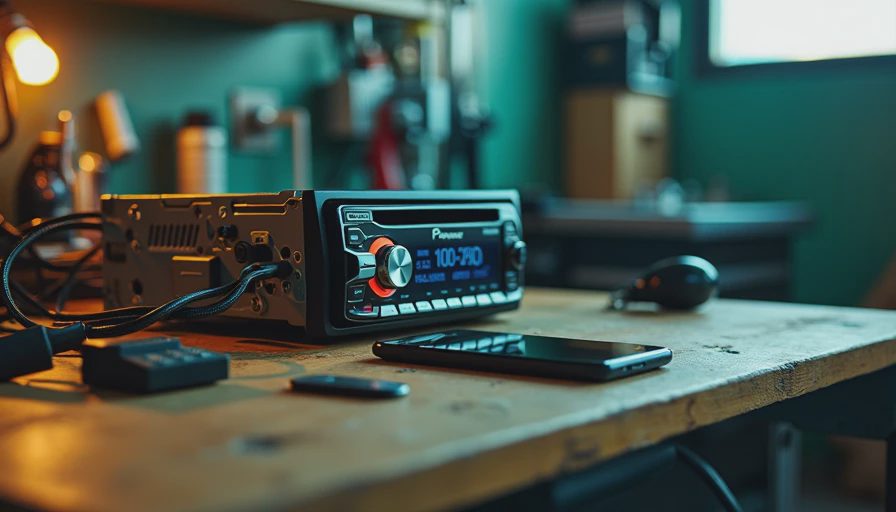
This is where bench testing helps. I like seeing the unit powered up on the workbench before it ever goes into the car. That way you catch a dead cable, a missing software setting, or a feature mismatch before the dash is back together. It is also why a good installer updates firmware first when the product supports it. Doing that with the dash apart is sensible. Doing it after you have reinstalled every clip in the car is how people lose patience.
The Pioneer SCT-C10PS makes the most sense when the installation path is tidy. If your car needs a lot of adaptation, budget for the extra time instead of pretending it will be a ten-minute swap.
Daily use in a real cabin
Specs are one thing. Living with a cockpit part is another. The real test is whether it still feels easy on a rainy night, with glare on the screen, the cabin heating up, and a driver trying to do something simple without poking through four layers of menus. That is why I care about menu depth, text size, and whether the interface responds quickly enough to forgive an imperfect tap.
In family use, small wins matter. If the screen or controls are easy to read from the driver seat, if voice prompts are clear over road noise, and if the layout does not punish you for wearing winter gloves, the product starts earning its keep. That is true whether you are setting an audio source, checking a camera feed, or changing a basic system setting before pulling out of the driveway. The best in-car tech disappears into the background and lets you get on with the drive.
The Pioneer SCT-C10PS is the kind of purchase that should make daily use smoother, not busier. If it adds a little friction every time you start the car, the install was successful but the experience was not.
Who should buy it and who should pass
If you already know your vehicle fits, and you care about keeping the cabin looking intentional, this is a sensible buy. It also makes sense for a driver who would rather pay for one clean install than chase random compatibility problems over the course of a month. On the other hand, if you are hoping for a universal answer with no harnesses, no adapters, and no setup work, this is probably not your lane. Aftermarket cockpit gear almost never rewards wishful thinking.
A good way to move forward is to ask for a compatibility check and a written install quote before you order. That takes a few minutes and can save a restocking fee, a trim panel headache, and a weekend in the garage. If a seller or shop can explain exactly how the Pioneer SCT-C10PS will be wired, mounted, and configured in your car, you are dealing with someone who understands the job. If they cannot, keep shopping.
Quick buying checklist for a cleaner result
By the time you are ready to pull the trigger, you should know the vehicle year, the trim level, the factory audio layout, and whether any extra interface boxes are required. You should also know what the labor quote includes, because some shops price only the core install and leave the adapters, dash kit, and firmware updates as extras. That is not unusual, but it is worth catching early.
The Pioneer SCT-C10PS is best treated like a system decision, not a single item on a page. When the hardware, adapters, and labor all line up, the end result is usually worth it. When they do not, the cheap option gets expensive fast. Bench-tested. Kid-tested. And in the cockpit, that is usually the honest standard.