If you are wondering how often to replace cabin air filter, the useful answer is usually every 12,000 to 15,000 miles or once a year. That is a starting point, not a universal law. A driver in dusty Phoenix, a family hauling snacks through Michigan winter, and someone commuting on clean suburban roads all load the filter differently. The cabin air filter sits in the HVAC system, often behind the glovebox, and its job is to catch dust, pollen, leaves, soot, and other particles before they reach the vents.
The filter is easy to ignore because it does not appear on the dashboard as often as an oil-change reminder. Yet a restricted filter can make the fan sound strained, reduce airflow, and leave the cabin smelling stale. If your car has a sensitive automatic climate system or a touchscreen that controls every HVAC function, poor airflow quickly becomes a cockpit annoyance rather than a minor maintenance detail. Bench-tested. Kid-tested.
The simple replacement interval
For most vehicles, replacing the cabin filter once every 12 months is a sensible habit. If your owner’s manual gives a mileage or time recommendation, use that as the baseline. Many manufacturers suggest an interval between 15,000 and 30,000 miles, but the longer figure assumes relatively clean driving conditions. It is not a challenge to see how long the original filter can survive.
A practical rule is to inspect the filter around 10,000 miles and replace it at 12 months if you drive regularly. If you drive less than 5,000 miles a year, time still matters because moisture, dust, and organic debris can accumulate while the vehicle sits. For a frequently used commuter car, the answer to how often to replace cabin air filter may be twice a year, especially when spring pollen and fall leaves are heavy.
The cost is usually modest. A standard particulate filter from FRAM, Bosch, Purolator, or a vehicle manufacturer often costs about $15 to $35. A carbon or activated-charcoal version commonly costs $20 to $50 and can help reduce outside odors. Dealer labor may add roughly $40 to $100, although the replacement is often a short driveway job.
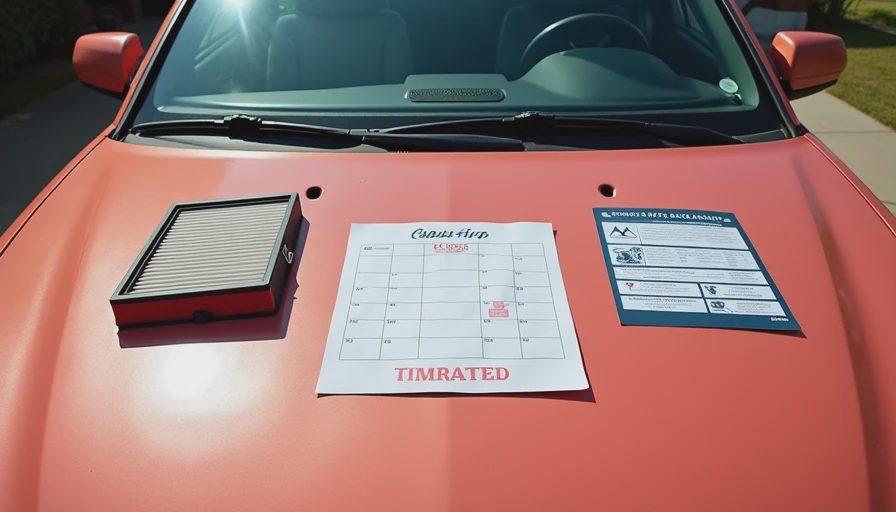
Signs your filter is already overdue
You do not need to wait for the calendar if the cabin gives you clues. Weak airflow from the vents is the most obvious sign. If the fan is set to high but the air barely reaches the windshield or rear seating area, the filter could be packed with dust. A dirty filter is not the only possible cause, but it is the cheapest thing to inspect first.
A musty smell is another strong signal. The filter can trap moisture and organic material, creating an odor that becomes more noticeable when the fan starts after the car has been parked overnight. If the smell is intense or returns immediately after installation, the HVAC case may need cleaning rather than another filter alone.
Watch for reduced defroster performance, visible dust blowing from the vents, or a fan that seems louder than usual. A child dropping crackers into the rear seat is not a scientific test, but family use exposes problems quickly: if the front vents feel weak while the system is working hard, check the filter before blaming the climate-control interface.
Climate and driving conditions change the answer
The question of how often to replace cabin air filter depends heavily on where and how you drive. Gravel roads, construction zones, agricultural areas, and desert climates put more fine dust into the intake. In those conditions, inspect the filter every 6,000 to 10,000 miles. A filter that looks gray after one season is telling you more than the maintenance schedule can.
Urban traffic adds another burden. Stop-and-go driving behind buses and trucks exposes the intake to soot and exhaust-related particles, even when the recirculation setting is used frequently. In a city, a carbon filter can be worthwhile for odor control, though it is not a guarantee against every pollutant.
Pollen season is especially hard on cabin filters. Drivers with seasonal allergies may notice that the vehicle feels better after a fresh filter even when the old one still looks acceptable. In snowy regions, wet leaves and road debris can collect near the cowl intake. Inspecting before winter and again in spring is a sensible two-check routine.
Choosing the right replacement filter
There are three common choices. A basic particulate filter is the affordable option and is adequate for many drivers. A charcoal filter adds an odor-absorbing layer and is useful for city commuting or frequent tunnel traffic. A premium filter may combine multiple layers, but the most expensive box is not automatically the best match for your vehicle.
Use the exact part number listed for your model year, trim, and HVAC configuration. Online catalogs can be helpful, but verify the dimensions against the old filter before forcing anything into the slot. Brands such as Denso, Mann-Filter, Bosch, and Purolator make widely available replacements, while the original-equipment filter is a safe choice when fit and sealing matter most.
Avoid washing a disposable pleated filter unless its packaging specifically says it is reusable. Water can damage the filter media and leave trapped moisture inside the HVAC housing. Also avoid spraying fragrance into the intake. That masks odors without removing the debris causing them.
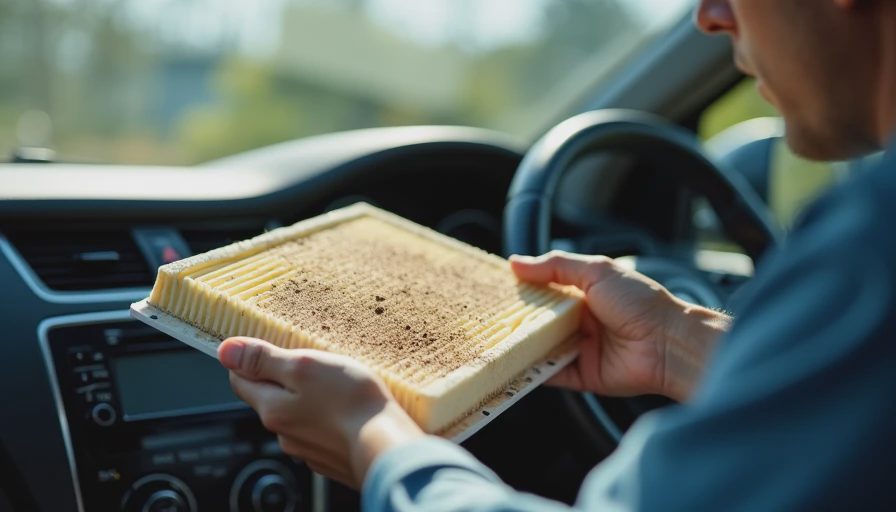
How to replace it without making a mess
The exact procedure varies, but many vehicles follow the same pattern. First, turn off the vehicle and move the passenger seat back for working room. Open the glovebox and look for retaining tabs, a side damper, or a removable access panel. Some cars require gently lowering the glovebox; forcing it can break a small plastic stop or disconnect a damper cord.
Next, remove the filter access cover and note the airflow arrow printed on the old filter. Take a quick phone photo before pulling it out. If leaves and dirt are sitting on top, remove them with a vacuum rather than pushing them deeper into the HVAC box. Install the new filter with its arrow pointing in the same direction, reinstall the cover, and return the glovebox to its normal position.
Run the fan at several speeds and confirm that airflow is even and quiet. If the fan remains weak, inspect for a blocked intake, a damaged blower motor, or an obstruction inside the housing. Those issues are less common than a neglected filter, but a new filter cannot solve every airflow problem.
A maintenance routine that actually works
Put the replacement date and mileage in your phone, not just in the glovebox paperwork. Set a reminder for 10,000 miles or 11 months, then inspect the filter before ordering the next one. This creates a useful record across seasonal changes and makes it easier to spot an unusually dirty filter.
For a typical driver, the answer to how often to replace cabin air filter is once a year. For dusty roads, heavy traffic, allergies, or a family vehicle carrying passengers every day, six-month replacement is more realistic. If the filter is clean and airflow is strong, you have useful evidence that the interval is working.
Do not let a confusing maintenance screen make this seem more complicated than it is. The HVAC system is part of the everyday cockpit, and clean airflow improves comfort, visibility, and the experience of using the car. Inspect the filter, choose a correctly fitted replacement, and spend the saved service charge on something more interesting than a five-minute glovebox repair.