The best dsp car audio upgrade is often not a new set of speakers. It is the small processor that sits between your head unit and amplifier, correcting timing, frequency balance, and the strange acoustic problems created by a real cabin. I learned this the slow way, after swapping speakers in an SUV and discovering that the driver side still sounded louder, sharper, and oddly detached from the rest of the cabin.
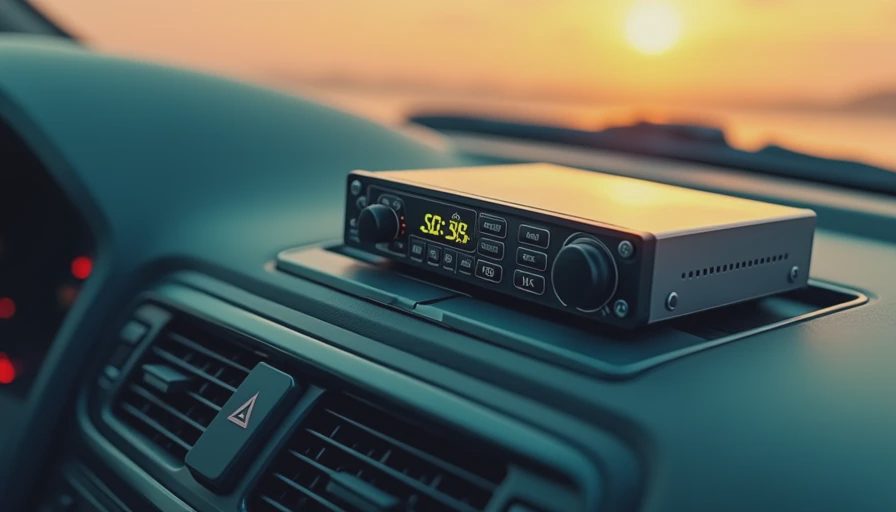
A digital signal processor, or DSP, gives you control over the audio signal before it reaches the speakers. It can apply equalization, delay individual channels, manage crossover points, and protect speakers from damaging frequencies. In plain English, it helps the system behave like a system instead of a collection of speakers shouting from different corners.
What a DSP Actually Does
A car interior is an unfriendly listening room. The windshield reflects some frequencies, the seats absorb others, and the left speaker is much closer to your ears than the right speaker. Factory systems also use aggressive equalization to make inexpensive speakers seem more capable. That tuning can become a problem when you add aftermarket equipment.
DSP car audio equipment addresses those compromises with several tools. Equalization adjusts the volume of selected frequency ranges. Time alignment delays closer speakers by a few milliseconds so sound from multiple channels reaches you together. Crossovers send bass to the speakers designed for it and keep small tweeters away from deep bass. Phase adjustments help waves combine instead of canceling one another.
The result is not simply louder music. A properly tuned system produces a more stable center image, clearer vocals, tighter bass, and less fatigue during a long drive. My practical test is familiar: play a podcast with a child asking for snacks in the second row. If the voice remains intelligible without turning the volume up aggressively, the tuning is doing useful work.
Do You Need a DSP or a New Head Unit?
If your factory head unit controls climate settings, vehicle menus, backup-camera behavior, or steering-wheel functions, replacing it can create unnecessary problems. Newer vehicles often use networked audio systems, proprietary amplifiers, and software-controlled volume behavior. A DSP can preserve the original interface while improving the signal downstream.
That does not mean every system needs one. If the factory speakers are damaged, replacing them comes first. If you want more bass, a dedicated subwoofer and amplifier might deliver the biggest improvement. But when the complaint is muddy vocals, a weak center image, harsh treble, or bass that disappears in certain seats, dsp car audio processing is often the more logical fix.
A basic processor can cost roughly $200 to $400. More capable units from AudioControl, Helix, JL Audio, Audison, and miniDSP can run from $500 to more than $1,500 before installation. The expensive part is not always the box. It is the time required to measure, configure, and listen carefully.
Choosing the Right Processor
Start with the number of input and output channels. A simple two-way front stage with a subwoofer may work with six outputs. A larger system using separate tweeters, midrange speakers, rear channels, and multiple subwoofer channels may need eight or more. Buying too few outputs can force compromises later.
Next, check how the processor accepts the factory signal. Some models use speaker-level inputs, while others need a line-output converter or an optical, USB, or proprietary digital connection. Integration products from companies such as PAC and Metra can help with certain factory systems, but compatibility depends heavily on the vehicle and amplifier layout.
Look at the software before looking at the feature list. Helix software is powerful but demands patience. AudioControl tends to offer a more approachable setup experience. Audison provides deep configuration for installers who want detailed control. The best DSP is the one you can actually configure without guessing what every graph means.
Also verify remote-control options. A small controller can switch between a driver-focused tune, a balanced family tune, and a low-volume night setting. That is more useful than a flashy feature you will never touch after installation.

How DSP Tuning Works in the Real World
A good tune begins with the installation, not the laptop. Speakers must be connected to the correct channels, polarity must be checked, and gain levels must be set safely. If the wiring is wrong, software cannot rescue the result. I prefer to confirm each channel with a test tone and listen for obvious phase or level errors before making creative adjustments.
The next step is setting crossovers. A tweeter might receive only higher frequencies, while a door midbass speaker handles the middle range and a subwoofer handles the lowest notes. Exact settings depend on the speaker, enclosure, and vehicle. A steep crossover is not automatically better; it simply changes how quickly the unwanted frequencies are reduced.
Time alignment follows. The tuner measures the distance from the listening position to each speaker, then enters those distances into the software. This moves the apparent center of the music forward. It is not magic, and it does not make every seat identical. It creates a deliberate priority position, usually the driver seat, while keeping the rest of the cabin reasonably coherent.
Equalization should come last. Large boosts are usually a warning sign because they consume amplifier headroom and can increase distortion. Cutting a harsh peak is generally safer than boosting a missing range by 10 decibels. A measurement microphone helps identify problems, but the final decision still has to survive normal music, spoken audio, and road noise.
Common DSP Mistakes to Avoid
The most common mistake is treating the processor like a graphic equalizer and adjusting every slider until the screen looks busy. More adjustments do not automatically mean better sound. Another mistake is tuning only with a favorite track. A system that flatters one recording can make podcasts, live albums, or compressed streaming audio unpleasant.
Avoid copying a tune from another vehicle, even if it uses the same processor and speakers. Cabin dimensions, seat position, glass, trim, and factory signal behavior all change the result. A setting that works in a compact coupe can sound thin in a three-row SUV.
Do not ignore maximum volume behavior. Some factory systems apply loudness compensation or bass reduction as volume rises. If you tune only at a quiet driveway level, the system may become bass-light or harsh on the highway. Test at several volumes, including the level you actually use during a road trip.
Finally, save your original configuration before changing anything. Label files clearly, such as Factory Baseline, Driver Tune, and Family Tune. A backup turns experimentation from a risky afternoon into a reversible one.
Is DSP Car Audio Worth the Money?
For a carefully installed system, yes. DSP car audio is most valuable when the vehicle has a difficult factory integration path or when several upgrades need to work together. It can make modest speakers sound organized and expensive speakers sound disappointing if configured poorly. The processor is not a substitute for good installation, but it gives the installer the control needed to finish the job.
A sensible upgrade path might begin with front speakers, basic amplification, and a six-channel DSP. Add a subwoofer later if the system lacks low-end authority. If you already have an amplifier and speakers, adding a processor may reveal that the hardware was never the real limitation.
Ask an installer to show the signal path, explain the crossover strategy, and demonstrate the before-and-after result from the driver seat. Be cautious when a shop promises a dramatic improvement without discussing measurement, factory integration, or backup files. Good tuning is less theatrical than a speaker swap, but you hear its benefits on every track.
My verdict is straightforward: dsp car audio is the upgrade for drivers who want clarity rather than just volume. It respects the factory interface, solves cabin-specific problems, and creates a foundation for future changes. Bench-tested. Kid-tested.